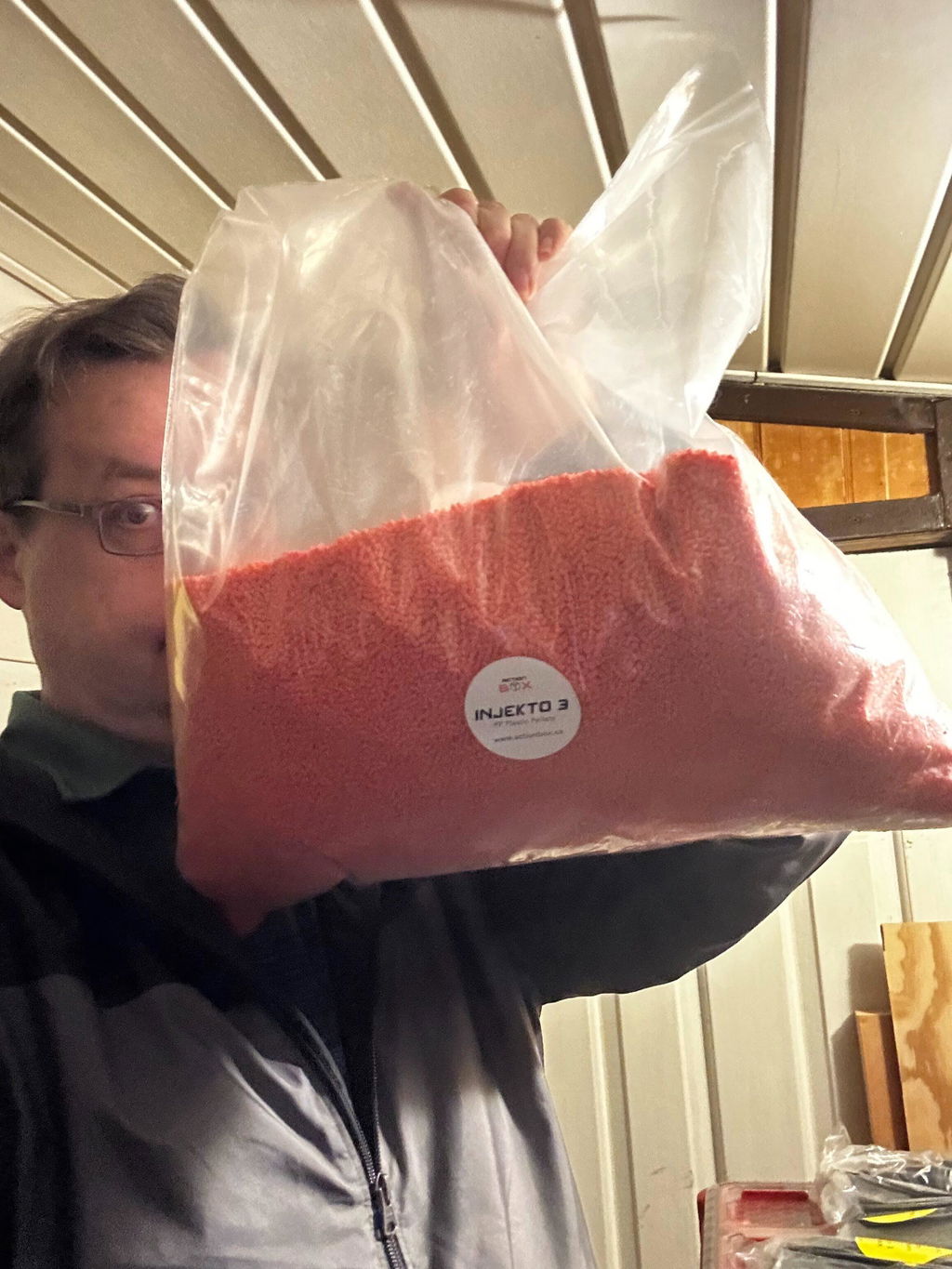
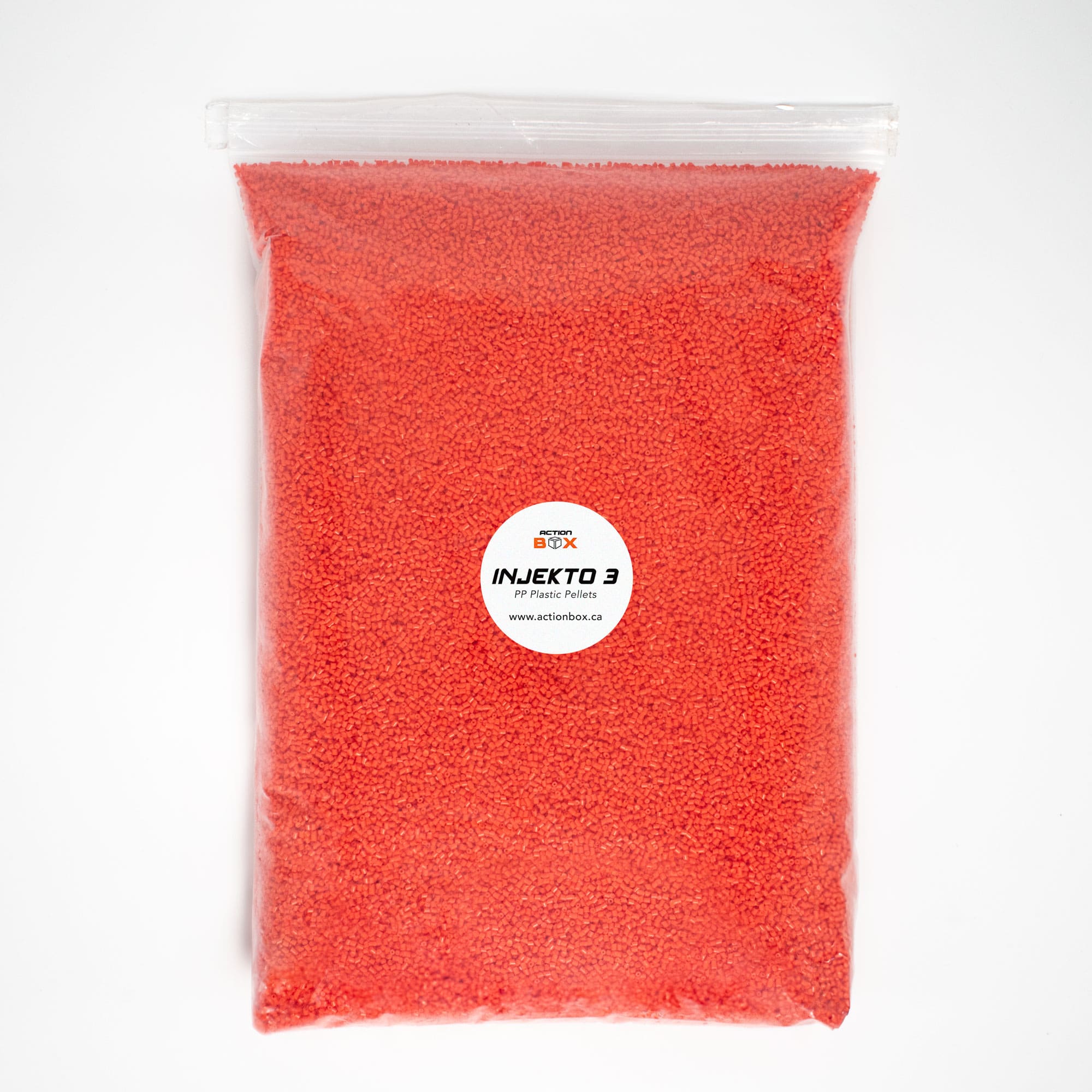
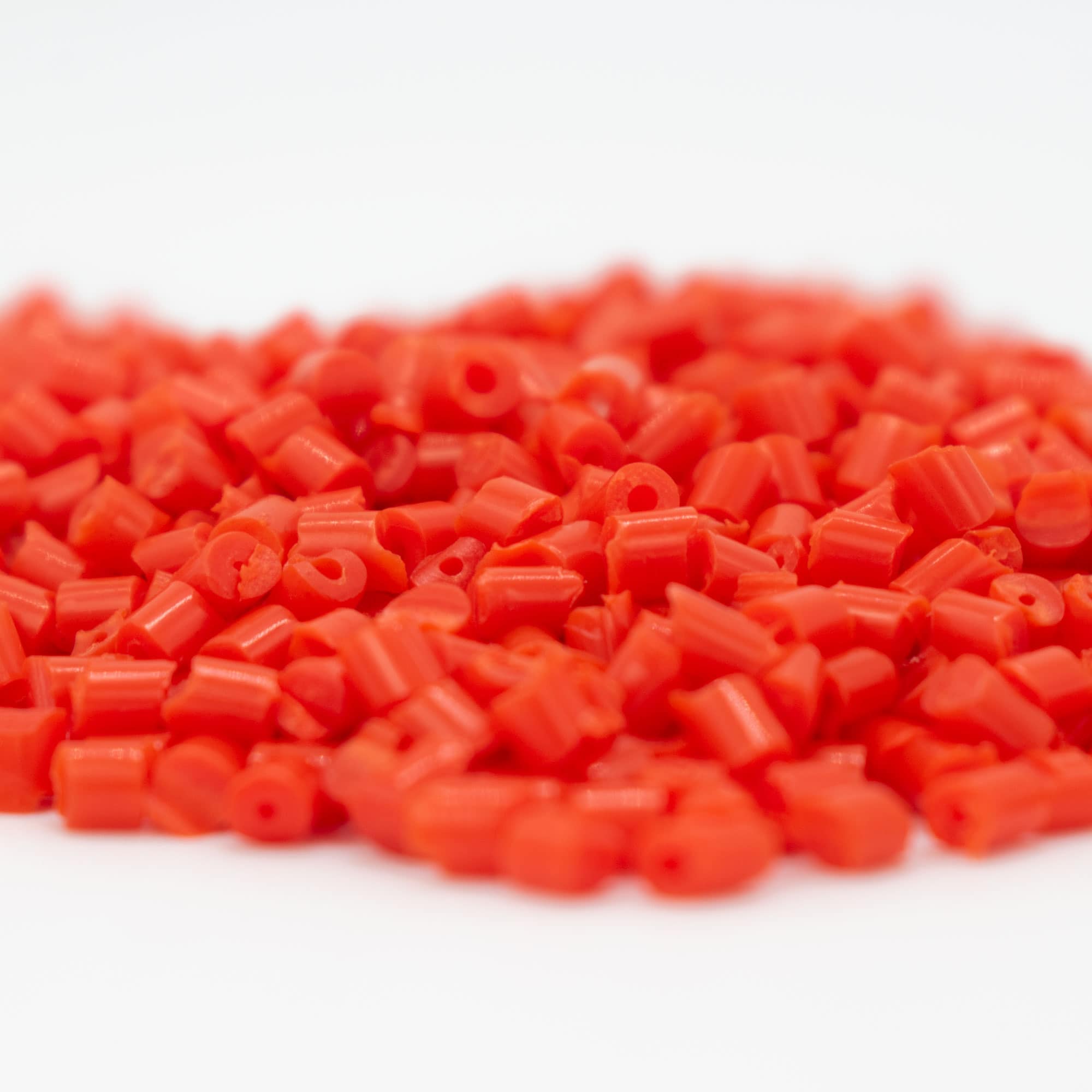
Easy Flow PP Plastic Pellets (for INJEKTO 3)
Frequently Bought Together
WHAT'S INCLUDED?
-
10lbs (4.5kg) Easy Flow PP Plastic Pellets
- Compatible with INJEKTO 2 and 3
- These pellets do not need drying
- Action BOX Recommended
Worldwide Shipping (Ships from USA)
Easy Flow PP Plastic Pellets (for INJEKTO 3)
Material Specifications
Technical specifications and other information
Pellet Type
PP
Scientific Name
Polypropylene
Melting Temp
180-250°C
Drying
No Drying Required
Great for functional parts that need to flex without cracking: hinges, clips, snap-fits, containers, bottle caps, and tool handles. PP is tough, chemical resistant, and won't absorb water, so it handles workshop use well. A good first material if you're new to injection molding.
Store sealed in a cool, dry place away from sunlight. PP doesn't absorb moisture so no drying is needed, but UV makes it brittle over time.
Pellets are non-hazardous and safe to handle. Molten plastic is the real hazard: it sticks to skin and burns deeply. Wear safety glasses and insulated gloves around a hot machine. If molten PP contacts skin, cool under running water and immediately get medical attention.
Work in a ventilated area. Overheated PP gives off irritating fumes, and smoke means your barrel is too hot.
PP is recycling code 5 and one of the easiest plastics to reprocess. Sprues, runners, and failed shots can be shredded and run again through the machine with little loss in quality, so almost nothing has to be thrown away.
PP is chemically inert, contains no reportable hazardous substances, and is not listed as a carcinogen by NTP or IARC. Waste that can't be reused goes to regular landfill or industrial incineration. Check local rules, most municipal programs accept #5 but not all.
If you have any questions, you are always welcome to contact us. Our team will get back to you as soon as possible, usually on the same day.
-
Shipping Information
We offer shipping to every country globally. All shipments include a tracking number and shipping confirmation is emailed directly to you.
-
Customer Support
Need quick help? Use the live chat on the bottom right of the screen. A team member will assist you as soon as possible.
-
FAQs
To get answers to frequently asked questions, check the bottom of the product page. You can also access instant answers by clicking the "Need Help?" button on the bottom right of the screen.
-
Contact Us
If you need to contact our team about anything, you can message here, or email us at contact@actionbox.ca.